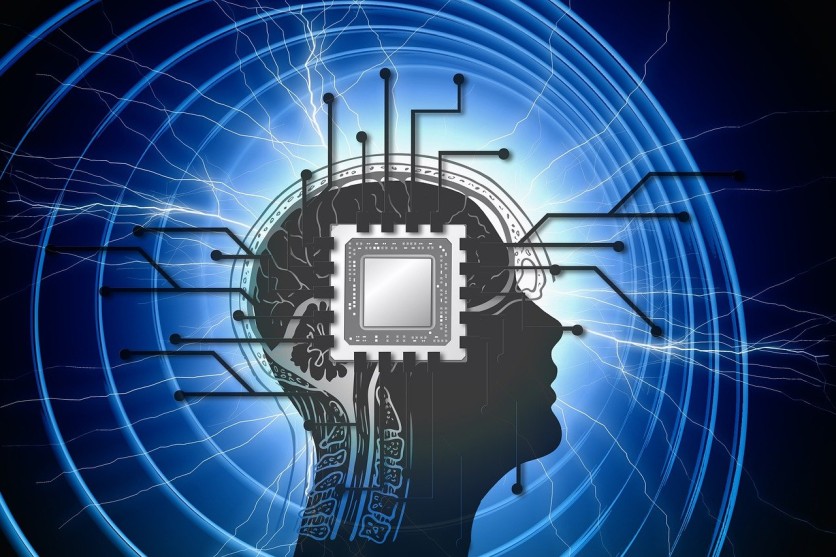
The concept of brain chips is turning from fiction into innovation through Neuralink, a neurotechnology company led by Elon Musk. Its Brain-Computer Interface (BCI), often described as a "telepathy implant," aims to merge human thought with machines. As Neuralink trials progress, ideas like thought control are shifting from imagination to scientific reality.
What Is a Neuralink Brain Chip?
A Neuralink brain chip is a coin-sized implant designed to connect the human brain directly with computers. Embedded into the skull, it uses flexible electrodes to detect and transmit neural signals. These signals translate brain activity into digital commands that external devices can understand.
Unlike earlier BCIs that relied on rigid sensors and external wiring, Neuralink emphasizes biocompatibility and wireless communication. Its goal is to create a natural interface where a person can operate technology, like moving a cursor or typing, purely through thought.
How Neuralink's BCI Works
Each electrode in the Neuralink BCI records the electrical signals produced by neurons during activity. Algorithms interpret these patterns and send them to a computer that responds in real time. This process enables digital actions to be performed directly from brain activity, a system often referred to as thought control.
The technology operates in a loop: the brain sends signals to the chip, the chip translates them, and the system can potentially send sensory feedback back to the user. While still experimental, future models could reintroduce touch or vision to individuals who have lost sensory functions.
Neuralink Trials and First Human Implants
Early Neuralink trials tested the technology in animals, showing tasks like a monkey moving a cursor by thought alone. In 2024, the company completed its first successful human implantation. The volunteer, living with paralysis, managed to control a computer interface using only neural activity.
Ongoing research focuses on improving safety, accuracy, and data longevity. Regulatory agencies continue to oversee these studies to ensure ethical standards, but results so far indicate the feasibility of safe, responsive brain chip interactions in humans.
Can Neuralink Enable Thought Communication?
One of Neuralink's boldest ambitions is enabling digital telepathy, direct communication through brain signals. Scientists believe decoded neural patterns could allow ideas or words to transfer without speech or text.
For people with speech or movement limitations, this could restore communication capabilities lost to neurological conditions.
In broader terms, it could transform how humans exchange information, collaborate creatively, or even experience virtual environments. While true mental-to-mental communication remains distant, thought control progress suggests it is scientifically plausible.
The Benefits of Brain Chips
The main benefits of Neuralink brain chips lie in medical recovery and neural restoration. BCIs could help treat conditions such as paralysis, Parkinson's disease, epilepsy, and memory loss. By reading and redirecting neural signals, these devices could restore movement or give patients a new way to interact with the world.
Beyond clinical use, brain chips could enhance learning, memory retention, and problem-solving by integrating AI or digital databases directly with neural networks. Future versions may even allow humans to perform complex tasks mentally, bridging the gap between biological thought and computational power.
Risks and Ethical Concerns
Despite exciting potential, Neuralink trials face challenges. Any brain surgery carries risks of infection, tissue damage, or implant malfunction. Long-term safety depends on how well the brain tolerates foreign materials over decades.
Privacy is another major issue. As thought control becomes more advanced, questions arise about neural data security, who owns, accesses, or protects human thought information? Experts argue for strict encryption and regulation before commercialization.
Ethical concerns also extend to access and use. Will neural enhancement widen social inequality? How will autonomy be protected if machines can interpret mental activity? These questions frame the need for careful public oversight as the technology expands.
The Future of Brain-Computer Technology
Neuralink's work represents the frontier of human-machine integration. Other research institutions are developing non-invasive BCI systems using wearable sensors and AI-driven decoding, but Neuralink's implanted model remains the most advanced in precision and signal quality.
In coming years, Neuralink plans to expand clinical testing and seek wider medical approval. Improvements in neural signal mapping could allow people to control prosthetics or communicate entirely through thought.
If these developments continue, brain chips could redefine digital interaction and human communication across industries, from healthcare to creative and AI-driven environments.
How Brain Chips Could Redefine the Human Mind
As Neuralink trials progress, the fusion of technology and biology is accelerating. The goal of decoding thought and translating it into real-world action signals a historic shift in human evolution. Through thought control, communication could become direct, instantaneous, and independent of physical limitations.
The significance of brain chips reaches beyond medical recovery, they symbolize the next stage in human connectivity. Whether they lead to empowerment or raise new ethical boundaries, Neuralink's innovations ensure that the line between thinking and interacting with technology will never be the same again.
Frequently Asked Questions
1. How long does a Neuralink brain chip last?
Current estimates suggest each implant could last several years before maintenance or replacement is needed, depending on biological factors and material durability.
2. Can Neuralink brain chips be removed safely?
Yes, in theory. The device is designed to be reversible through a controlled surgical procedure, though the process still carries standard surgical risks.
3. Will Neuralink make brain chips available to the public soon?
Public availability depends on the outcomes of clinical trials and regulatory approval, which may take several more years before non-medical uses are considered.
4. Could brain chips work with artificial intelligence systems?
Future designs could integrate with AI to enhance processing speed, memory recall, and complex decision-making, though this remains in early research stages.
ⓒ 2026 TECHTIMES.com All rights reserved. Do not reproduce without permission.


