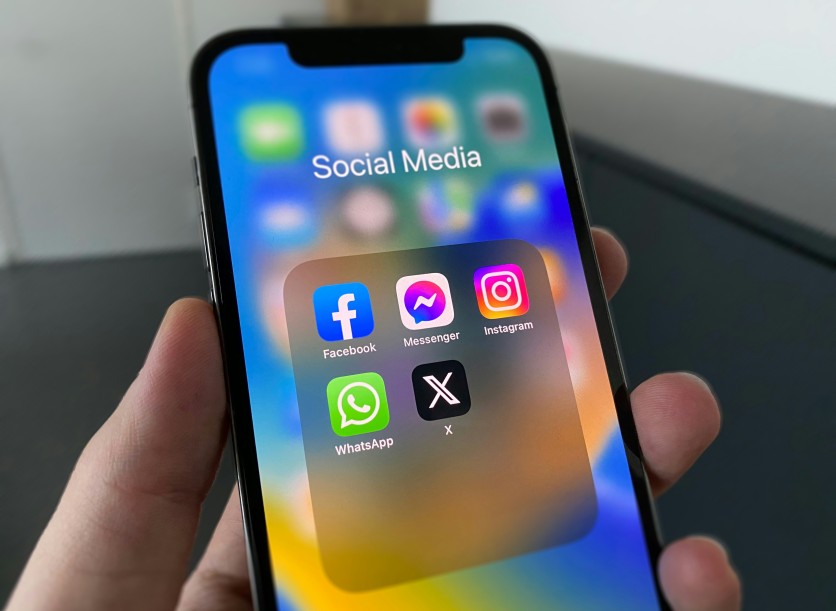
Social media platforms use complex algorithms to decide what content appears on each user's feed. These systems are designed to filter massive amounts of posts and prioritize the ones most likely to keep users engaged. Every like, comment, share, and even the time spent viewing a post becomes a signal that influences visibility.
Understanding how social media algorithms work is essential for anyone trying to grow their reach online. These systems do not treat all posts equally, and small differences in timing, engagement, and content quality can significantly affect performance. By learning how ranking signals operate, creators can improve their chances of appearing in more feeds and reaching a wider audience.
How Algorithms Decide What Content Gets Seen
Social media algorithms evaluate thousands of signals to determine which posts should appear in a user's feed. These signals include past interactions, content type preferences, and how users engage with specific accounts. The system builds a personalized feed for every individual based on these behavior patterns.
The goal of the algorithm is to keep users active on the platform for as long as possible. To achieve this, it prioritizes content that matches user interests and has a high likelihood of generating engagement. Posts that fail to attract early attention are often limited in reach, while those that perform well quickly are pushed to larger audiences.
Engagement, Timing, and Content Quality Factors
Engagement, timing, and content quality are three core elements that strongly influence how social media algorithms rank and distribute posts. These factors work together to determine whether a post gains visibility or gets limited reach. Understanding how each one affects performance helps improve overall content strategy.
- Engagement is one of the strongest signals used by social media algorithms, especially in the early stages after posting.
- Posts that receive immediate likes, comments, shares, or saves are more likely to be promoted further across wider audiences.
- Comments and shares carry more weight than simple likes because they require more effort and indicate stronger user interest.
- Timing also plays a major role because posting when your audience is active increases the chance of early engagement.
- Content quality directly affects retention, with strong visuals and clear messaging helping increase watch time and interaction rates.
Why Posts Gain or Lose Reach Over Time
Posts on social media do not maintain the same level of visibility indefinitely, as their reach naturally changes over time. This behavior is influenced by how algorithms prioritize new and engaging content. Understanding this cycle helps explain why some posts fade while others continue circulating.
- Social media content usually peaks early before gradually losing visibility as newer posts enter user feeds.
- This decline is known as content decay, where older posts become less relevant to algorithm ranking over time.
- If engagement drops, reach decreases because the algorithm shifts attention to fresher content.
- However, continued interaction such as new comments or shares can extend a post's lifespan significantly.
- Some posts regain visibility days later when renewed engagement signals relevance to the algorithm again.
Can Zero Code Tools Help Boost Social Media Performance
Zero code tools are increasingly being used by creators and marketers to streamline content production and improve workflow efficiency. These platforms allow users to build automation systems, schedule posts, and analyze performance without needing technical or programming skills. By reducing the time spent on repetitive tasks, creators can focus more on producing high-quality content that performs better within social media algorithms.
In terms of boosting reach, zero code tools can indirectly support better algorithm performance by improving consistency and timing. Scheduled posting ensures content goes live when audiences are most active, which helps increase early engagement signals. Automation tools can also help track performance trends, allowing creators to adjust their strategy based on what content gains the most interaction. While zero code tools do not influence algorithms directly, they enhance the efficiency and structure behind content strategy, which can lead to improved visibility over time.
Final Thoughts on Social Media Algorithm Strategy
Social media algorithms are designed to prioritize content that keeps users engaged for longer periods. They rely heavily on behavioral signals such as interaction speed, relevance, and user interest patterns. Because of this, content performance depends more on engagement quality than simple follower counts.
To improve reach, creators need to focus on producing engaging content, posting at the right times, and encouraging interaction. Over time, understanding how algorithms respond to behavior allows for more consistent visibility and stronger audience growth across platforms.
Frequently Asked Questions
1. How do social media algorithms work?
Social media algorithms analyze user behavior to decide which content appears in each feed. They track actions like likes, comments, shares, and watch time to measure engagement. Based on these signals, they prioritize content that is most likely to keep users active.
2. Why is engagement important for reach?
Engagement tells the algorithm that content is valuable and relevant to users. Higher engagement increases the chances of content being shown to more people. Without engagement, posts are less likely to gain visibility beyond a small audience.
3. Does posting time affect reach?
Yes, posting time has a direct impact on how quickly content gains engagement. When posts are published during active hours, they are more likely to receive immediate interactions. This early activity helps boost algorithmic distribution.
4. Why do some posts stop getting views?
Posts stop getting views because of content decay, where newer posts replace older ones in feeds. As engagement slows down, the algorithm reduces visibility. This is a natural cycle for most social media content.
5. Can old posts become popular again?
Yes, old posts can regain popularity if they start receiving new engagement. Comments, shares, or saves can signal renewed interest to the algorithm. When this happens, the post may be shown to new audiences again.
ⓒ 2026 TECHTIMES.com All rights reserved. Do not reproduce without permission.


