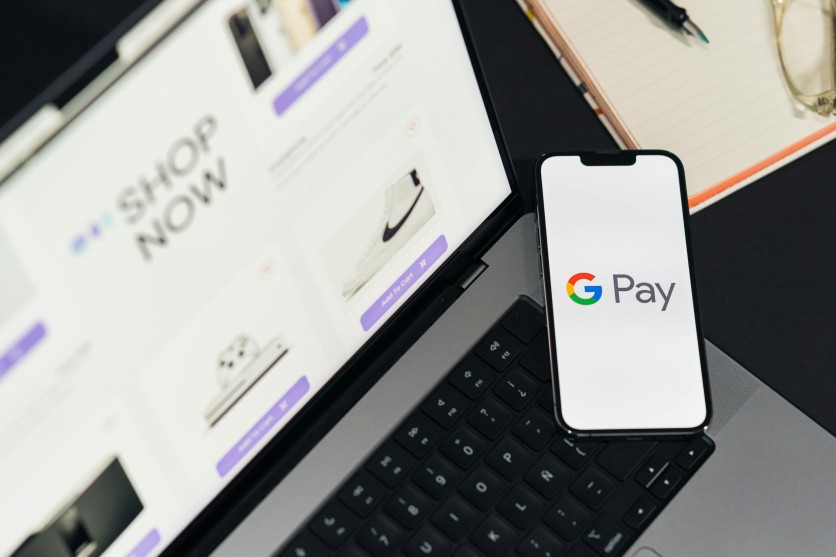
Digital wallets are no longer limited to simple contactless payments. Over the past few years, Google Wallet has evolved into a much broader platform that can store tickets, transit passes, loyalty cards, IDs, and travel documents in one place.
As mobile wallet technology becomes more advanced, many users are beginning to realize they may not need several standalone apps installed on their phones anymore.
Instead of opening separate apps for shopping rewards, boarding passes, public transit, or event tickets, users can often manage everything directly inside Google Wallet. This shift reflects the growing role of app replacement and mobile wallet technology in modern smartphone use.
What Is Google Wallet?
Google Wallet is a digital wallet app designed primarily for Android devices. While many people still associate it with NFC payments, the platform now supports much more than tap-to-pay transactions.
A recent report from How-To Geek highlighted how Google Wallet can now replace multiple apps people still rely on daily. Google has steadily expanded the app's supported features, turning it into a centralized hub for everyday digital essentials.
Users can securely store:
- Credit and debit cards
- Transit passes
- Boarding passes
- Event tickets
- Loyalty cards
- Hotel keys
- Student IDs
- Digital IDs in supported regions
Google describes the platform as an all-in-one digital wallet rather than just a payment app. According to Google Support, supported features continue expanding depending on device compatibility and regional availability.
One reason Google Wallet is attracting more attention is convenience. Instead of managing multiple apps for everyday activities, users can organize many digital items inside a single interface.
Why Mobile Wallet Technology Is Growing Quickly
The rise of mobile wallet technology is closely connected to convenience and speed. Many users now expect their phones to replace physical items such as wallets, tickets, IDs, and membership cards.
Several Google Wallet features help simplify this process:
- Fast NFC payments
- Instant access to stored passes
- Automatic ticket suggestions
- Secure encrypted storage
- Integration with Android devices and smartwatches
As smartphones become more integrated into daily life, app replacement is becoming a major trend. Instead of downloading separate apps for every service, users increasingly prefer centralized platforms that reduce clutter and improve accessibility.
1. Loyalty and Rewards Card Apps
One of the most common types of apps Google Wallet can replace is loyalty and rewards programs. Many retail stores, supermarkets, coffee shops, and restaurants offer digital membership systems that work with barcode scanning.
Instead of keeping multiple shopping apps installed solely for rewards access, users can save loyalty cards directly into Google Wallet.
Benefits of Using Google Wallet for Rewards Programs
- Faster checkout experience
- Less app switching during purchases
- Easier organization of memberships
- Reduced phone storage usage
- Quick barcode access from lock screens on some devices
For people who rarely use the extra features of dedicated store apps, this apps replacement option can make shopping more convenient.
2. Public Transit and Transportation Apps
Transportation systems around the world are increasingly supporting digital transit passes. In many cities, commuters can use Google Wallet to access buses, trains, and subway systems without opening separate transportation apps.
Instead of managing reloadable transit apps individually, users can store eligible transit cards directly inside the wallet.
Common Transit Features
- Tap-to-ride functionality
- Reloadable digital transit cards
- Fare tracking in select regions
- Smartwatch transit support
- Digital train and subway passes
According to coverage from Android Central, Google has also improved contextual notifications, allowing passes and transit cards to appear automatically when needed.
These supported features make commuting faster while reducing reliance on standalone transit apps.
Read Also: 10 Everyday Apps That Secretly Track Your Activity and Collect More Personal Data Than You Think
3. Airline and Boarding Pass Apps
Travel apps are another area where Google Wallet has become increasingly useful. Many travelers install airline apps mainly for boarding passes, flight reminders, and airport notifications.
Now, Google Wallet can often handle those tasks directly.
Users can save boarding passes from participating airlines and access them quickly during airport check-ins or security screenings. In some cases, flight information and gate updates appear automatically.
Advantages for Travelers
- Quick boarding pass access
- Reduced dependence on airline apps
- Easier organization during trips
- Automatic flight reminders
- Simplified airport navigation
While some airline-specific services may still require dedicated apps, Google Wallet covers many of the features casual travelers use most frequently.
4. Event Ticket Apps
Concerts, sports events, movie theaters, and festivals increasingly support digital ticket integration with Google Wallet.
This means users no longer need separate ticket apps for every venue or event provider. Instead, tickets can often be saved directly to the wallet and scanned upon arrival.
Types of Tickets Supported
- Concert passes
- Sports tickets
- Festival tickets
- Cinema tickets
- Conference and expo badges
This form of apps replacement reduces app clutter while improving convenience for users who attend multiple events throughout the year.
Some Google Wallet features can even surface tickets automatically based on location or timing, helping users avoid searching through emails or apps at the last minute.
5. Digital ID and Access Apps
Perhaps the most ambitious area of mobile wallet technology involves digital identity systems.
In supported regions, Google Wallet can store:
- Digital government IDs
- Campus identification cards
- Hotel room keys
- Office access cards
- Digital vehicle keys for compatible cars
These supported features are still expanding, but they represent an important step toward replacing physical wallets entirely.
Google continues partnering with governments, universities, hotels, and car manufacturers to broaden compatibility. However, availability varies depending on local regulations and device support.
For now, many experts still recommend carrying backup physical identification when traveling internationally.
Google Wallet Features That Stand Out
Several advanced tools help separate Google Wallet from older digital payment apps.
Smart Organization
Cards, passes, and tickets are grouped automatically for easier access.
Real-Time Notifications
Flight changes, ticket reminders, and transit alerts can appear automatically.
Wearable Support
Compatible smartwatches can access stored passes and payment methods.
Security Protection
Encryption, tokenization, and biometric authentication help protect sensitive information.
Cloud Synchronization
Users can restore many saved items after switching devices.
These supported features continue expanding as Google pushes further into all-in-one mobile wallet technology.
Limitations Users Should Know About
Despite its growing capabilities, Google Wallet does have limitations.
Not all countries support every feature, and some services still require standalone apps for advanced functionality. Device compatibility also matters, especially for digital IDs and car key systems.
Other limitations include:
- Regional restrictions
- Limited support for certain transit systems
- Battery dependency
- Occasional compatibility issues
- Some offline functionality limitations
Even with these restrictions, Google Wallet continues moving toward broader apps replacement capabilities.
Why Google Wallet Represents the Future of Apps Replacement
Digital wallets are becoming more than payment tools. They are evolving into centralized platforms for transportation, travel, shopping, entertainment, and digital identity management.
Google Wallet continues expanding its supported features as more businesses and services adopt mobile wallet technology. While it may not fully eliminate every standalone app yet, it already replaces several of the most commonly used daily apps for many Android users.
As smartphones continue replacing physical items and separate applications, platforms like Google Wallet are likely to play an even larger role in how people manage everyday digital tasks.
Frequently Asked Questions
1. Can Google Wallet fully replace physical wallets?
Not completely. While many digital cards and passes are supported, physical identification and backup payment methods are still recommended in some situations.
2. What devices support Google Wallet?
Most modern Android phones with NFC support can use Google Wallet, along with select Wear OS smartwatches.
3. Is Google Wallet safe for storing payment information?
Yes. Google Wallet uses encryption, tokenization, and biometric authentication to help secure stored information and transactions.
4. Can Google Wallet work without internet access?
Some payment methods and saved passes may still function offline, but certain updates and syncing features require internet connectivity.
ⓒ 2026 TECHTIMES.com All rights reserved. Do not reproduce without permission.


