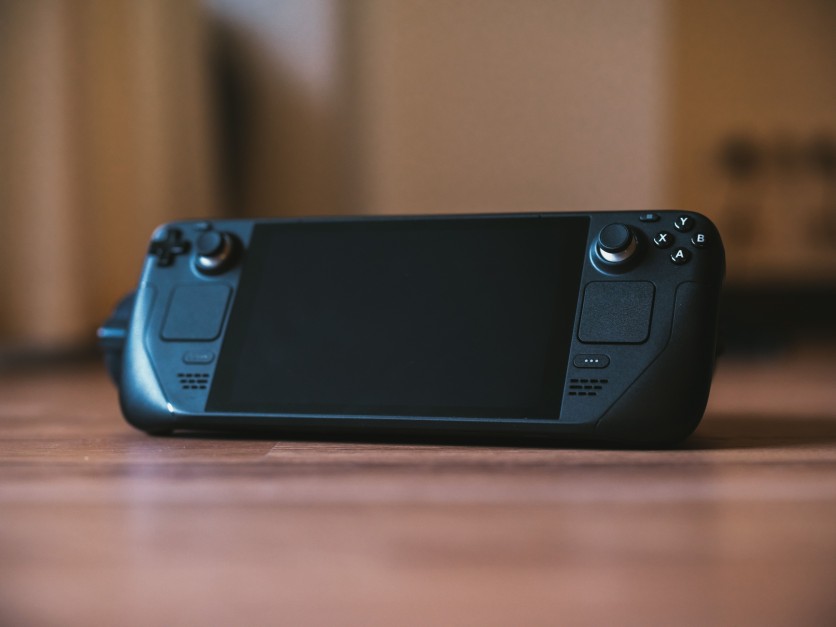
The Steam Deck is facing a major Steam Deck price increase in 2026 as Valve raises the cost of its OLED handheld models due to rising memory and storage costs. The updated Steam Deck OLED price now reflects the wider RAM shortage affecting gaming hardware prices across the industry.
While the handheld itself has not changed, supply chain pressure and component shortages are making devices like the Steam Deck significantly more expensive than they were at launch.
The situation also highlights how broader hardware market conditions continue to shape the gaming industry. Valve says the price changes are tied to global logistical challenges and increasing component costs rather than any redesign or upgraded features.
At the same time, Steam Deck availability has improved, giving buyers easier access to both new and refurbished Steam Deck units despite the rising prices.
Steam Deck OLED Prices And Models
The 512GB Steam Deck OLED now costs $789, a major increase from its original $549 price. The 1TB Steam Deck OLED has also jumped sharply, rising from $649 to $949 as memory and storage costs continue increasing.
Valve is also selling refurbished Steam Deck OLED models at lower prices. The refurbished 512GB OLED costs $629, while the refurbished 1TB OLED is listed at $759, giving buyers more affordable alternatives.
Both Steam Deck OLED models are currently available with estimated delivery times of three to five business days. Compared to the handheld's original launch pricing, the current Steam Deck OLED price reflects how much gaming hardware costs have risen during the RAM shortage.
Why The Steam Deck Price Increased
Valve says the Steam Deck price increase is tied to rising memory and storage costs caused by the ongoing RAM shortage. The company noted that the Steam Deck hardware itself has not changed, but global logistical challenges and higher component pricing forced the adjustment.
The wider gaming hardware market has also faced supply pressure for months. Earlier this year, Valve warned that Steam Deck stock could become intermittently unavailable because of memory and storage shortages affecting production.
The RAM shortage has also delayed Valve's Steam Machine and Steam Frame hardware plans. That broader impact shows the Steam Deck OLED price increase reflects industry-wide supply problems rather than changes to the handheld itself.
What Buyers Should Expect Now
Steam Deck buyers are now facing a different market compared to the handheld's original launch period. The Steam Deck OLED is easier to find in stock, but the higher pricing changes how buyers compare it with rival handheld gaming PCs.
Refurbished Steam Deck models may become more appealing for budget-conscious shoppers. Valve's lower-priced restored OLED units offer access to SteamOS and OLED features without paying the full premium tied to rising gaming hardware prices.
The wider gaming market suggests these price increases may continue beyond the Steam Deck. Nintendo, Sony, and Microsoft have also faced higher hardware costs linked to memory shortages, tariffs, and increasing component demand across the industry.
What The Price Jump Means For Steam Deck Buyers
The latest Steam Deck price increase shows how deeply the RAM shortage is affecting gaming hardware across the industry.
While the Steam Deck OLED remains available and easier to purchase than earlier this year, the higher Steam Deck OLED price changes the handheld's position as an affordable gaming device. Buyers now have to weigh premium pricing against features like OLED visuals, portability, and SteamOS support.
Refurbished Steam Deck options may become increasingly important if memory and storage costs remain high throughout 2026. Valve's pricing changes also suggest that rising hardware costs are no longer temporary problems affecting only one company.
As gaming hardware prices continue climbing across the market, the era of steadily cheaper gaming consoles and handhelds may be fading for the foreseeable future.
ⓒ 2026 TECHTIMES.com All rights reserved. Do not reproduce without permission.


