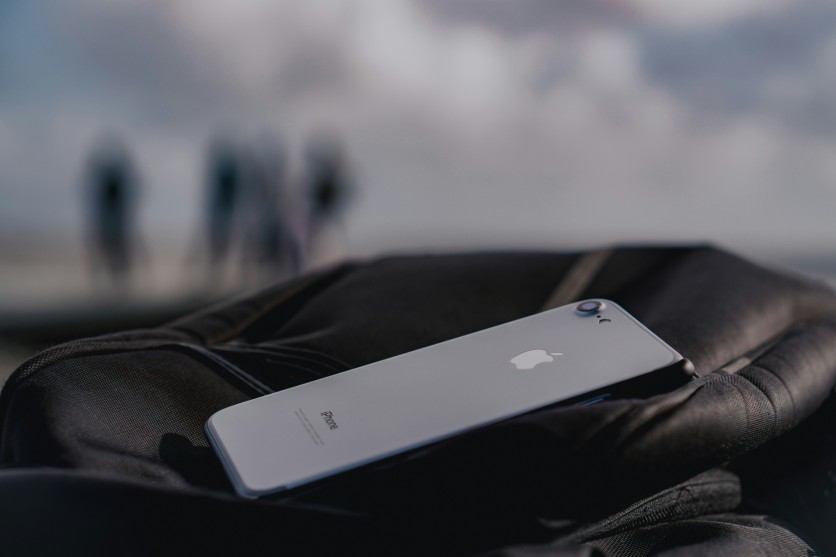
Minimalist phone design emphasizes essential features, clean lines, and functional simplicity, appealing to consumers who value durability, repairability, and timeless style. In 2026 smartphone trends, sleek hardware dominates as manufacturers move away from feature bloat and gimmicky innovations, prioritizing sustainable materials and user-focused engineering. This shift reflects broader market demands for devices that are both elegant and practical, aligning with environmental concerns and a growing desire for longevity. By analyzing design evolution, technology integration, and market implications, it becomes clear why minimalist phones will lead the next wave of smartphones.
Minimalist hardware also enhances user experience by reducing distractions and streamlining interactions. With software optimization complementing refined physical design, devices feel faster, lighter, and more intuitive. Combined with supply chain improvements and modular components, minimalist phone design is positioned to redefine consumer expectations, making sleek and efficient smartphones the hallmark of 2026.
Evolution of Minimalist Phone Design
Minimalist phone design has evolved toward uniform, seamless builds that remove unnecessary ports, buttons, and camera bumps. Designers focus on edge-to-edge displays, symmetrical frames, and durable metal-glass constructions, creating devices that feel cohesive and premium. Battery and performance optimizations allow devices under 8mm thick without compromising speed or longevity.
- Consumer preference for slim form factors: 2026 smartphone trends show a 40% preference for thinner, lighter devices with only essential features, reflecting demand for portability and ergonomic handling.
- Consolidated camera systems: Multi-functional lenses replace multiple protrusions, providing high-quality photography without disrupting the smooth back surface. Advanced computational photography further reduces the need for additional hardware.
- Modular and repairable components: Swappable batteries, screens, and easy-to-service internals support sustainability, reduce e-waste, and extend device lifespan while allowing upgrades.
- Ergonomic and user-friendly layouts: Minimalist layouts emphasize one-handed usability, balanced weight distribution, and intuitive button placement, enhancing comfort and daily use.
- Enhanced display technology: Edge-to-edge OLED and AMOLED panels reduce bezels while providing vibrant colors and high refresh rates, maintaining performance in ultra-thin designs.
- Durability integration: Reinforced frames and scratch-resistant coatings protect against drops and wear, demonstrating that minimalism does not sacrifice robustness.
Why Minimalist Phone Design and 2026 Smartphone Trends Favor Sleek Hardware
Sleek hardware strengthens the perception of premium quality while appealing to professionals and minimalism enthusiasts. Matte finishes, monochromatic color schemes, and understated branding reinforce sophistication and exclusivity. As foldable devices decline in popularity, rigid, slim flagships reclaim dominance due to better durability and simpler manufacturing.
- Accessible premium materials: Supply chain improvements reduce the cost of titanium, aluminum alloys, and Gorilla Glass, allowing minimalist aesthetics across multiple price tiers.
- Portable and efficient design: Slim profiles improve portability while housing compact, energy-dense batteries that maintain longevity and efficiency without bulk.
- Integrated sensors and security: Under-display fingerprint scanners, face recognition, and other sensors blend seamlessly into the hardware, eliminating visible components for a cleaner look.
- Repair and sustainability: Minimalist designs simplify internal layouts, making repairs easier, extending device lifespans, and supporting regulatory trends for eco-friendly electronics.
- Improved thermal and structural performance: Advanced materials and internal layouts ensure devices remain cool and sturdy despite reduced thickness, addressing both comfort and reliability.
- Aesthetic uniformity: Single-color finishes, minimal branding, and unified frame designs create a timeless appearance, appealing to consumers seeking classic and versatile smartphones.
Challenges and Future Directions in Minimalist Phone Design
Despite advantages, minimalist phone design faces challenges such as thermal management in ultra-thin devices. Advanced vapor chamber cooling addresses heat from compact 5G/6G processors, maintaining performance without thicker chassis. Regulatory trends and consumer expectations drive modularity for easier battery or display replacements.
- Thermal management solutions: Advanced vapor chamber cooling and heat-dissipating materials prevent overheating without increasing device thickness.
- Under-display components: Cameras, sensors, and speakers continue evolving to achieve bezel-less displays without reducing optical or audio quality.
- Haptic feedback and buttonless interaction: Tactile feedback and gesture-based controls replace physical buttons, preserving minimalist surfaces while maintaining usability.
- Materials innovation: Stronger, thinner glass and lightweight alloys enhance durability without increasing weight, allowing slim designs to withstand daily use.
- Software-hardware co-design: Minimalist UI and streamlined operating systems complement hardware simplicity, improving battery efficiency, responsiveness, and intuitive navigation.
- Sustainability and lifecycle planning: Modular components, recyclable materials, and energy-efficient components ensure minimalist phones remain environmentally responsible.
Conclusion
Minimalist phone design defines 2026 smartphone trends by balancing elegance, functionality, and sustainability. Sleek hardware dominates as consumers prioritize devices that endure physically and aesthetically, reducing the need for frequent upgrades. Innovations in cooling, modularity, and under-display technology ensure minimalist devices remain high-performing while retaining their refined appearance. As smartphone users increasingly value longevity, ergonomics, and responsible design, minimalist hardware will shape the next generation of mobile devices globally.
By emphasizing clean design and efficient technology, minimalist phones set the standard for future hardware aesthetics. Integrated sustainability and repairability address both consumer demands and environmental responsibility, ensuring that sleek, functional devices will lead market trends well beyond 2026.
Frequently Asked Questions
1. Why are minimalist phones becoming more popular in 2026?
Minimalist phones appeal for their clean aesthetics, reduced distractions, and repairable design. Consumers value longevity and sustainable materials, reducing electronic waste. Slim, sleek designs also improve portability and usability. Overall, simplicity aligns with both lifestyle and environmental priorities.
2. How do 2026 smartphone trends support minimalist hardware?
Manufacturers focus on thinner devices with edge-to-edge displays and multi-functional components. Supply chain improvements allow premium materials to reach mid-range phones. Under-display sensors and haptic feedback reduce clutter. These trends enable high performance without compromising design elegance.
3. What challenges do minimalist phones face?
Thermal management is a challenge in ultra-thin devices, requiring advanced cooling solutions. Repairability is limited if modular components are not carefully designed. Integrating under-display sensors without affecting performance is technically complex. Balancing durability with sleek aesthetics remains critical.
4. Will minimalist phones impact battery life or performance?
Minimalist designs use energy-dense batteries and optimized processors to maintain efficiency. Compact layouts allow thermal solutions to prevent overheating. Software optimizations complement hardware for smoother operation. Overall, sleek design does not compromise functionality.
ⓒ 2026 TECHTIMES.com All rights reserved. Do not reproduce without permission.


