In 2026, the smartphone market is shifting toward smarter spending, with consumers increasingly favoring mid-range devices over ultra-premium flagships.
Within the evolving mobile ecosystem led by companies like Samsung and Google, mid-range phones are now offering performance, cameras, and software support that rival high-end models at significantly lower prices.
Samsung Galaxy S25 FE: Flagship Power in a Budget-Friendly Package

The Samsung Galaxy S25 FE continues Samsung's strategy of bringing near-flagship performance to a more accessible price tier.
It features a large 6.7-inch display, Snapdragon 8 Elite chipset, and a 5,000mAh battery designed for all-day use. With One UI 8 and up to seven years of software updates, it stands out as a long-term investment within Samsung's ecosystem.
While its camera system is slightly scaled down compared to premium Galaxy models, its main and front cameras still deliver strong, consistent results for everyday photography and video.
Google Pixel 9a: Clean Software and Reliable Photography

The Google Pixel 9a focuses on simplicity, software refinement, and computational photography.
Powered by the Tensor G4 chip and a 6.3-inch 120Hz display, it offers smooth day-to-day performance. Its 48MP main camera is especially strong in point-and-shoot scenarios, producing consistent results across lighting conditions.
Its biggest advantage is software: clean Android, fast updates, and long-term support. However, it lacks a telephoto lens and faster charging speeds, making it less appealing for power users who want more hardware versatility.
Nothing Phone (4a): Design-First Innovation
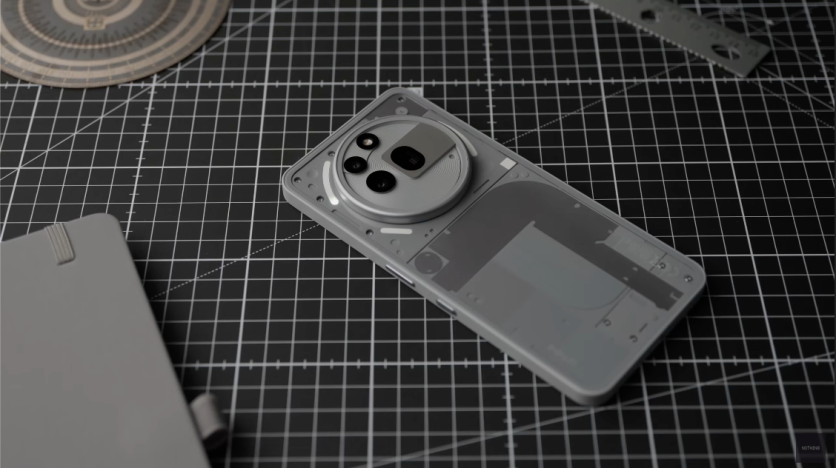
The Nothing Phone (4a) continues to stand out through its minimalist design and signature Glyph interface.
Built around a 6.83-inch 1.5K display, it emphasizes media consumption and visual appeal. Nothing OS offers a lightweight, clean software experience that competes with more established ecosystems.
Its upgraded camera system produces natural-looking images, but performance is limited by its mid-range chipset, and its software support timeline is shorter compared to competitors like Samsung and Google.
ⓒ 2026 TECHTIMES.com All rights reserved. Do not reproduce without permission.


