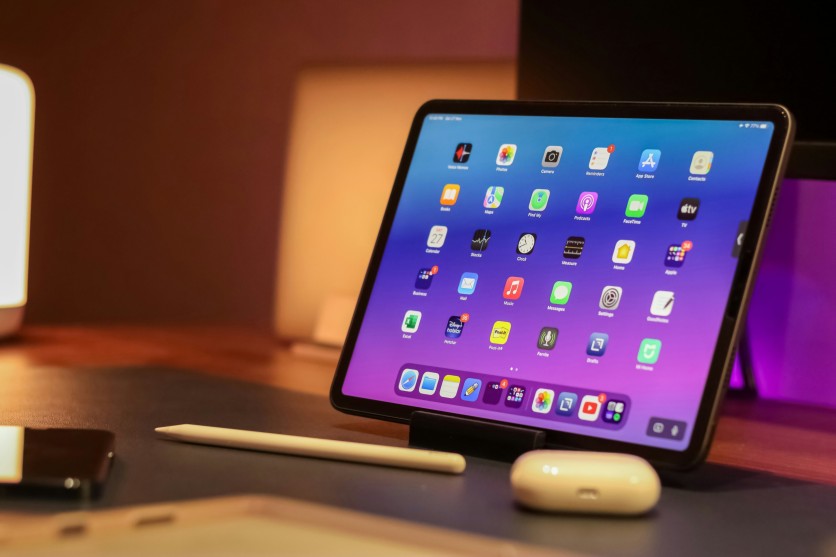
Apple's rumored iPhone Ultra and MacBook Ultra could significantly reshape the Apple iPad because both devices appear to overlap with its core strengths. The iPhone Ultra is expected to introduce a foldable design that behaves like a mini tablet, while the MacBook Ultra may add touchscreen functionality to a traditionally non-touch laptop. These shifts could affect how users view the future of iPad within Apple's ecosystem.
Instead of standing alone as the middle device between phone and laptop, the Apple iPad may soon face competition from both directions. As Apple Ultra devices evolve, the boundaries between phone, tablet, and laptop become less defined. This makes the tablet's identity more important than ever, especially for users who rely on it for productivity, media, and creative work.
Why iPhone Ultra Matters For The iPad
The iPhone Ultra is expected to feature a foldable design that expands into a display similar to an Apple iPad mini. This creates overlap between phone portability and tablet-style use, directly affecting the future of iPad and how users choose devices.
A foldable iPhone Ultra could reduce demand for smaller tablets by combining phone and tablet functions in one device. Users may no longer need an Apple iPad for casual browsing, media, or light productivity tasks, especially in everyday use.
Early iPhone Ultra models may target premium users, but their influence could grow over time. As Apple Ultra devices evolve, larger foldables and iPad-style multitasking in iOS could blur lines further and reshape Apple's tablet identity.
How MacBook Ultra Could Affect The iPad
The MacBook Ultra could strongly impact the iPad by adding touchscreen support to Mac laptops. This removes one of the iPad's biggest advantages, as touch interaction would no longer be exclusive to the tablet.
A touchscreen MacBook Ultra would attract users who want laptop power with tablet-like control. This could reduce the need for an Apple iPad, especially for productivity and creative work where both tools currently overlap.
With OLED displays and better touch response, the MacBook Ultra may feel like a true hybrid device. This creates gradual overlap in Apple Ultra devices and challenges the iPad's role as the middle ground between phone and laptop.
What Apple May Need To Do With iPad
Apple may need to redefine the Apple iPad to keep it relevant as Apple Ultra devices evolve. The iPhone Ultra and MacBook Ultra could take over some of its core functions, so the iPad must stand out with a clearer purpose. Strengthening its identity will be key to its long-term future.
- Stronger multitasking: Apple may expand multitasking features and introduce more advanced productivity tools designed specifically for tablet use. This would help the iPad stay competitive as Apple Ultra devices gain overlapping capabilities.
- Clearer positioning: The iPad may be focused more on students, artists, and creative professionals. This shift would help define it as a specialized device rather than a general-purpose option.
- Preserving its unique role: The Apple iPad still offers a balance between portability and a large touch display. This middle position remains valuable if Apple continues improving its software experience.
- Avoiding overlap: Apple may refine the iPad's purpose to prevent it from being replaced by foldables and touchscreen Macs. Clarity in function may matter more than expanding features.
- Smarter pricing and segmentation strategy: Different Apple Ultra devices may target broader audiences, while the iPad becomes more focused on touch-first workflows. This helps reduce overlap and strengthen product distinction.
The iPad's Role May Become More Defined
The rise of iPhone Ultra and MacBook Ultra suggests that the Apple iPad is entering a phase of transformation rather than replacement. As foldable phones take on tablet-like behavior and laptops gain touch input, the boundaries around the iPad become less distinct.
Instead of disappearing, the Apple iPad may shift toward a more defined purpose within Apple's lineup. The future of the iPad could focus on specialized use cases where touch interaction, portability, and creative workflows matter most. For users following Apple Ultra devices, the main change is not whether the iPad survives, but how clearly it is positioned in a more flexible and competitive ecosystem.
Frequently Asked Questions
1. Will the iPhone Ultra replace the Apple iPad?
The iPhone Ultra is not expected to fully replace the Apple iPad but may overlap with smaller models. Its foldable design could handle light tablet-like tasks such as browsing and media use. However, larger iPads will still offer better productivity and screen space. The impact will likely be gradual rather than immediate.
2. How could the MacBook Ultra affect the future of iPad?
The MacBook Ultra may introduce touchscreen functionality, which reduces one of the iPad's key advantages. Users could perform touch-based tasks directly on a laptop instead of switching to a tablet. This creates overlap in productivity use cases. It may lead to a more specialized role for the iPad.
3. Why are Apple Ultra devices important for the iPad lineup?
Apple Ultra devices like the iPhone Ultra and MacBook Ultra expand Apple's product range into areas traditionally covered by the iPad. This increases competition within Apple's own ecosystem. As a result, the iPad may need a clearer identity. Its role may shift toward more focused use cases.
4. Will the Apple iPad disappear in the future?
The Apple iPad is not expected to disappear but may evolve into a more specialized device. Apple may focus it on creative work, education, and touch-first productivity. Other Apple Ultra devices will cover broader general use. This helps maintain balance across the lineup.
ⓒ 2026 TECHTIMES.com All rights reserved. Do not reproduce without permission.


