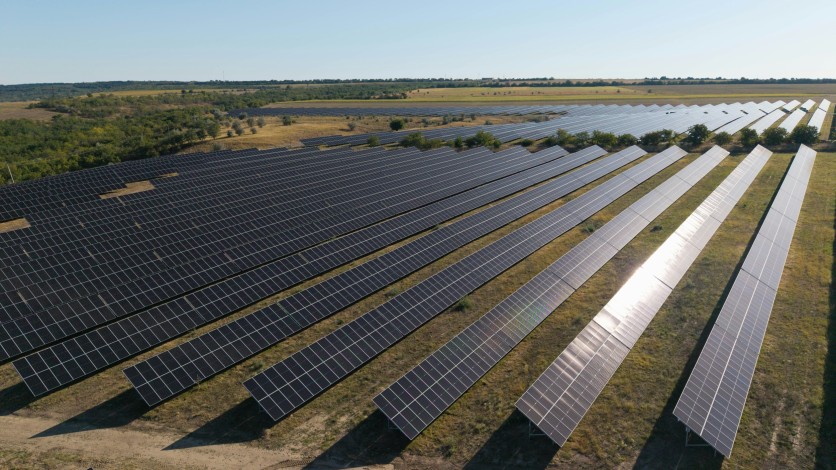
The debate around solar energy and nuclear energy continues to shape how countries plan their future renewable energy systems, especially as demand for clean energy and stable power production increases.
This energy comparison focuses on how both sources perform in real-world conditions, including capacity factors, storage needs, scalability, and overall grid reliability. Understanding these differences helps clarify why no single solution dominates modern energy planning.
Solar energy is rapidly expanding due to lower costs and flexible deployment, while nuclear energy remains valued for consistent output and strong baseload support. This contrast makes the comparison essential for understanding how global energy sources will evolve.
Instead of treating one as superior, the discussion highlights how both technologies contribute differently to renewable energy goals, especially as electricity grids grow more complex and demand continues to rise.
How Solar Energy And Nuclear Energy Compare
Solar energy and nuclear energy differ mainly in how they generate and deliver electricity. Solar energy relies on sunlight, causing production to fluctuate depending on weather, time of day, and season. Nuclear energy produces stable power continuously, giving it some of the highest capacity factors among major clean energy sources.
Solar energy is also easier and faster to scale in many regions. Panels can be installed on rooftops, commercial buildings, or massive solar farms with shorter construction timelines. Nuclear energy projects usually require years of planning, licensing, financing, and construction before electricity production can begin.
Despite slower deployment, nuclear energy offers firm capacity and dependable grid reliability. Solar energy often depends on battery storage, backup generation, or improved transmission systems to maintain stable power delivery. This difference remains one of the biggest points in any modern energy comparison.
What Limits Solar Energy From Reaching Nuclear Levels
Solar energy is expanding quickly, but its biggest limitation is consistency compared to nuclear energy. The key issue is not deployment speed, but how reliably it can deliver continuous power production.
- Intermittent energy output: Solar energy depends on sunlight, weather, and location, which means power generation naturally rises and falls throughout the day and seasons.
- Gap between capacity and actual production: Even large solar farms cannot deliver constant electricity, creating a difference between installed capacity and real-world output in energy comparison terms.
- Need for supporting infrastructure: Battery storage, grid upgrades, and balancing systems are required to smooth out fluctuations and improve reliability.
- Higher system complexity for stability: These additional systems make solar-based grids more complex compared to the steady operation of nuclear energy.
- Dependence on environmental conditions: Nighttime and cloudy weather significantly reduce output, requiring backup energy sources.
- Challenge in matching nuclear consistency: Nuclear energy provides steady, high-capacity power production, which solar energy struggles to replicate without extensive support systems.
How Many Solar Panels Would It Take To Equal One Nuclear Reactor?
A nuclear reactor produces a very large amount of continuous electricity, running at high capacity factors day and night. To match that output with solar energy, the number of panels required would be extremely high because solar power only generates electricity during daylight hours and varies with weather conditions. Even in ideal locations, this creates a large gap between peak output and actual usable energy.
In practical terms, it would take millions of solar panels, plus significant land area and supporting infrastructure, to equal the annual power production of a single nuclear reactor. Storage systems and grid balancing would also be needed to fill in nighttime and low-sunlight periods, increasing the total scale even further in real-world energy comparison scenarios.
What Could Change The Future Balance
Advancements in energy storage could significantly reshape the relationship between solar energy and nuclear energy. If batteries become more efficient and affordable, solar power could store excess energy during peak sunlight hours and release it when needed. This would improve grid reliability and reduce one of solar's biggest limitations in the energy comparison debate.
Improvements in grid infrastructure may also allow renewable energy sources to perform more efficiently at scale. Stronger transmission networks and smarter demand management could help balance fluctuations in solar output.
At the same time, nuclear energy is also evolving, with smaller modular reactors offering potential improvements in deployment speed and flexibility. These parallel developments suggest a future where both energy sources strengthen rather than replace each other.
The Most Likely Future For Clean Power
Solar energy may eventually rival nuclear energy in total installed capacity, but matching its consistent power production remains a greater challenge. In any realistic energy comparison, solar stands out for rapid growth and cost efficiency, while nuclear energy provides unmatched stability and high capacity factors. Together, they form a balanced foundation for renewable energy expansion.
The future of clean energy is likely to depend on combining both systems rather than choosing one over the other. Solar energy will continue expanding as a flexible and scalable solution, while nuclear energy will remain essential for steady baseload generation. This complementary relationship offers the most practical path toward reliable, low-carbon power production.
Frequently Asked Questions
1. Can solar energy completely replace nuclear energy?
Solar energy can contribute significantly to global electricity supply, but replacing nuclear energy entirely is difficult due to its intermittent nature. Nuclear provides steady output regardless of weather, which supports grid stability. Solar would need massive storage and infrastructure upgrades to fully match that reliability. Most energy systems are expected to use both together rather than rely on one.
2. Why is nuclear energy considered more reliable than solar energy?
Nuclear energy runs continuously and is not affected by weather or daylight conditions. This gives it a high capacity factor compared to solar energy. Solar output fluctuates throughout the day and seasons, making it less predictable. That consistency makes nuclear power a strong source of baseload power.
3. What makes solar energy cheaper than nuclear energy?
Solar energy has lower installation and maintenance costs compared to nuclear energy projects. It also avoids long construction timelines and regulatory complexity. This allows faster scaling across different regions. However, additional costs like storage and grid upgrades can affect overall system economics.
4. Will energy storage solve solar energy's limitations?
Energy storage can significantly improve solar reliability by storing excess power for later use. Batteries help smooth out fluctuations caused by weather and time of day. However, current storage systems are still expensive at large scale. Future advancements could make solar energy more competitive with nuclear in continuous power delivery.
ⓒ 2026 TECHTIMES.com All rights reserved. Do not reproduce without permission.


