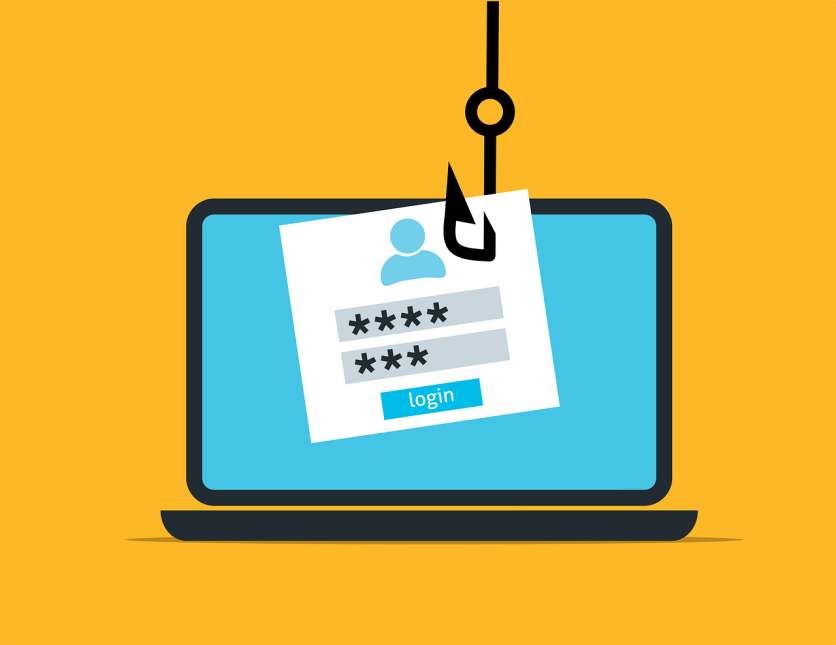
Ransomware operations in 2026 have become more complex, blending classic phishing with hands-on intrusions that reach all the way into law firm hospitals and frontline healthcare facilities.
Ransomware remains one of the most disruptive cyber threats because it attacks both data and business continuity, and modern gangs now combine encryption, data theft and public extortion to maximize leverage.
Why Law Firm Hospitals Are Prime Targets
Ransomware gangs choose victims based on leverage, and law firm hospitals are ideal targets.
Legal practices hold privileged client communications, merger documents and litigation strategies that clients cannot afford to see exposed, while hospitals manage electronic health records, imaging systems and critical medical devices that must remain available.
The pressure to restore operations is intense in both environments, giving ransomware operations confidence that a successful intrusion can produce a high payout.
How Ransomware Gangs Pick and Reach Victims
Victim selection is often deliberate rather than random. Attackers scan for exposed remote desktop services, vulnerable VPN appliances and unpatched web applications, and cross‑reference that with public information about organization size, revenue and the sensitivity of data handled.
Law firms with marquee clients and visible deal activity stand out, as do regional hospitals and large health systems with complex, often‑fragmented IT environments.
Phishing remains one of the most common starting points for ransomware operations. Carefully crafted emails attempt to trick recipients into opening malicious attachments, clicking poisoned links or entering credentials on fake login pages. Generative text tools make these phishing messages more convincing, reducing obvious red flags.
In law firms, attackers often impersonate courts, bar associations or major clients; in hospitals, they may pose as vendors, HR or diagnostic services. These lures open the door to deeper intrusions that ultimately support ransomware deployments.
Beyond Phishing: Intrusions and Initial Access
Not every attack starts with an email. Many intrusions begin with exploitation of known vulnerabilities in VPN gateways, firewalls or collaboration platforms, especially when patches lag behind.
Stolen credentials purchased on criminal marketplaces also provide direct entry into remote portals and cloud services, bypassing the need for phishing altogether.
Some ransomware operations go further by recruiting insiders, employees, contractors or temporary staff, who are willing to provide VPN access, badge privileges or help bypass physical security for a share of any ransom payment.
Once attackers have initial access, first‑stage malware establishes persistence, gathers credentials and reports back to command‑and‑control servers. The intruders then map the environment, identify domain controllers, file servers and critical applications, and begin moving laterally.
In many law firm hospitals, flat network designs and legacy systems make this lateral movement easier, allowing a compromise of one workstation to turn into control of entire segments.
Data Theft, Encryption and Extortion
Modern ransomware operations almost always combine data theft with encryption. Before triggering visible ransomware, attackers quietly compress and exfiltrate document repositories, email archives and databases containing legal filings or medical records.
This stolen information becomes a second form of leverage, because even if victims can restore from backups, they still face the threat of public leaks, reputational harm and regulatory scrutiny.
Only after they are confident they control enough of the environment do attackers launch the encryption phase. In a coordinated action, they attempt to disable security tools, corrupt or encrypt backups and deploy ransomware across as many endpoints and servers as possible.
Staff may return to find systems locked, applications inaccessible and ransom notes displayed. Extortion often includes deadlines, sample leaks to demonstrate access and threats of additional pressure, such as contacting clients or patients directly.
Physical Intrusions and Hybrid Attacks
A notable evolution in ransomware operations is the use of physical intrusions alongside online tactics.
In some campaigns, individuals appear at offices posing as IT staff or vendors, referencing recent phishing emails or supposed security issues as pretexts to access workstations. They may ask to "fix" a problem, then plug in their own devices or install remote tools that give attackers long‑term access.
For law firms, these impostors might claim to represent courts, external IT providers or software vendors; in hospitals, they could pose as biomedical technicians or equipment support personnel.
This blending of phishing, social engineering and physical presence helps bypass technical defenses and exploit trust in on‑site personnel. When staff already worry about security due to earlier phishing waves, they may be more likely to cooperate with someone who seems to arrive with timely help and plausible credentials.
How Ransomware Gangs Are Organized
Behind each incident is a larger ecosystem. Ransomware gangs increasingly operate as loose networks rather than rigid hierarchies. Core developers maintain malware families and infrastructure, while affiliates handle phishing, intrusions and victim selection.
Initial access brokers sell footholds into specific organizations, negotiators manage communication with victims, and money launderers specialize in moving ransom payments through cryptocurrencies and mixers.
This division of labor helps ransomware operations adapt quickly. When a new phishing lure or intrusion technique works in one campaign, it spreads across forums and affiliate channels, becoming a standard tactic.
When authorities disrupt one group, its members can rebrand, partner with different developers or move to new platforms, leaving law firm hospitals facing familiar techniques under new names.
Ransomware's Impact and Defensive Priorities
For law firms, ransomware can interrupt active matters, expose privileged communications and force difficult disclosure decisions to clients and regulators.
Even after systems are restored, leaked files may circulate on dark‑web sites, weakening client confidence and competitive position. Hospitals face not only data exposure but also direct consequences for patient care when electronic health records, scheduling systems or diagnostics become unavailable.
Reducing this risk demands a layered approach tuned to how ransomware operations actually function. On the human side, organizations benefit from targeted training on spear‑phishing, callback scams and impostor IT visits, plus clear procedures to verify anyone claiming to be support staff.
On the technical side, strong email security, multifactor authentication, prompt patching of exposed systems, network segmentation and continuous monitoring all help limit the chance that phishing or intrusions will lead to a full‑scale ransomware event.
Ransomware Operations in 2026: Building Resilience in Law Firm Hospitals
Ransomware operations in 2026 show that criminal groups are willing to combine phishing, deep network intrusions and even physical presence to compromise law firm hospitals and other high‑stakes organizations.
Because attackers continuously refine their methods, no single control can eliminate the threat. Instead, the most realistic goal is resilience: rapid detection, containment and recovery, plus the ability to withstand extortion even when some data has been stolen.
By focusing on how ransomware gangs actually work, from target selection and initial access through data exfiltration, encryption and negotiation, law firms and hospitals can prioritize the defenses that matter most.
Understanding this full lifecycle helps them harden entry points, detect intrusions earlier and respond in ways that reduce both operational disruption and the leverage criminals hope to gain.
Frequently Asked Questions
1. How can small law firms or clinics reduce ransomware risk if they have limited budgets?
They can focus on low‑cost essentials: enable multifactor authentication, keep software updated, use reputable cloud email security, run regular offline backups, and provide short, scenario‑based phishing training a few times a year.
2. Are cloud‑based practice management or EHR systems safer from ransomware attacks?
They can reduce some risks (like local server encryption) but are not immune; attacks can still succeed through compromised accounts, poor configuration, or stolen credentials, so access controls and monitoring remain critical.
3. What early warning signs might indicate an ongoing ransomware intrusion?
Unusual login patterns, unexpected MFA prompts, sudden account lockouts, unexplained new admin accounts, and spikes in network traffic or file access can all hint that attackers are preparing a ransomware deployment.
4. Should organizations ever tell staff that a ransom was paid?
Policies vary, but many organizations share limited, need‑to‑know information internally to maintain trust and reinforce security lessons, while aligning with legal, regulatory, and insurance requirements on disclosure.
ⓒ 2026 TECHTIMES.com All rights reserved. Do not reproduce without permission.


