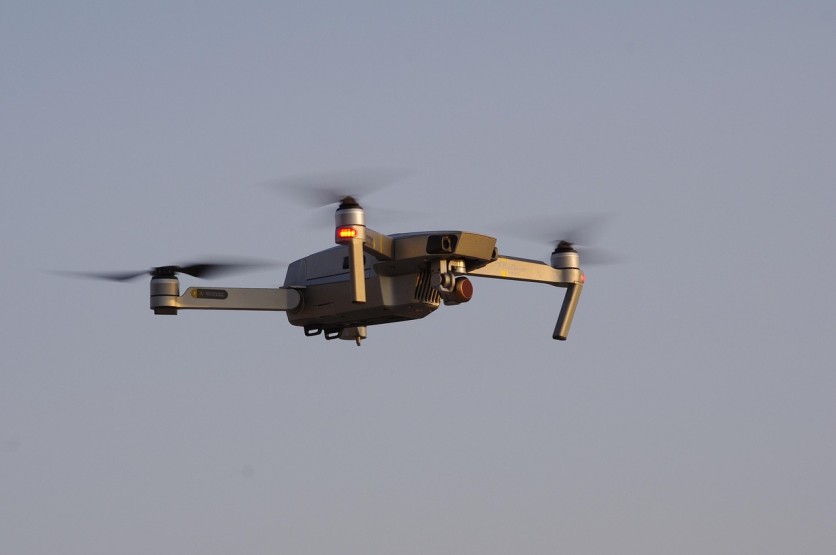
The rapid advancement of drone technology has transformed numerous industries, from agriculture to emergency response. Looking ahead, the evolution of drone future technology promises even more impactful changes, driven by innovative UAV trends.
This article explores key developments, industry impacts, regulatory shifts, safety improvements, and challenges that will shape the drone landscape over the next five years.
What Are the Key Drone Future Technology Developments to Expect?
One of the most prominent trends in drone future technology is the integration of artificial intelligence (AI) and machine learning.
These enhancements enable drones to process data more intelligently, allowing for improved autonomous flight capabilities, complex decision-making, and adaptive responses to dynamic environments. AI-powered drones can navigate obstacles more efficiently, optimize flight paths, and perform tasks with minimal human intervention, broadening their usefulness across sectors.
Battery life and energy efficiency are also set to improve significantly. Current limitations on drone flight durations often hinder operational scope, but innovations in battery chemistry and power management will extend drone endurance.
Advances in wireless charging and solar energy harvesting may supplement traditional power sources, enabling drones to conduct longer missions and cover larger areas with less downtime.
Swarm technology is emerging as a breakthrough in UAV trends. By coordinating multiple drones to work together seamlessly, companies will be able to tackle large-scale tasks more effectively, such as disaster area mapping, agricultural monitoring, and infrastructure inspection. These coordinated drone swarms offer increased speed, redundancy, and capability without the need for expensive single-unit upgrades.
Payload capacity and versatility are also evolving. Future drones will accommodate heavier and more sophisticated equipment, including advanced sensors, delivery packages, and specialized tools. This will open new applications in fields like medical deliveries, environmental sampling, and precision agriculture, expanding drones' role beyond surveillance and photography.
How Will UAV Trends Impact Commercial Industries?
The next five years will see UAV trends significantly reshape commercial industries. In agriculture, precision farming will benefit greatly from drone future technology. Enhanced sensors and data analytics will allow farmers to monitor crop health, soil conditions, and irrigation needs in real time, optimizing yields and reducing resource waste. Drones will enable more efficient planting, fertilizing, and pest control with minimal human labor.
The logistics and delivery sector is also set for disruption. Companies are experimenting with drone delivery for last-mile services, aiming to reduce costs and speed up delivery times. As regulations adapt and technology matures, drone fleets will become a routine part of urban and rural logistics, transporting goods from pharmaceuticals to groceries swiftly and safely.
Infrastructure inspection and maintenance will gain improved capabilities through UAV trends. Drones equipped with high-definition cameras, thermal imaging, and LIDAR technology will rapidly survey bridges, power lines, and pipelines, identifying faults or wear before failures occur. This proactive approach reduces downtime and maintenance expenses.
Creative industries like filmmaking and media will continue to adopt drone future technology to capture dramatic aerial footage at a fraction of traditional costs. New stabilization technologies and AI-powered shot planning will give content creators unprecedented creative freedom.
Public safety and emergency response will benefit from more reliable and intelligent drones. Firefighters, search-and-rescue teams, and disaster relief units will deploy drones to access dangerous or inaccessible areas, providing live updates and assisting in rapid decision-making without putting personnel at risk.
What Regulatory Changes Are Shaping the Drone Future Technology?
Regulatory evolution is vital to enabling the full potential of drone future technology. Governments worldwide are working to update airspace rules to accommodate increasing UAV traffic, emphasizing safety and integration with manned aircraft.
The development of Unmanned Traffic Management (UTM) systems promises more coordinated and automated routing of drones in shared airspace, reducing collision risks.
Urban Air Mobility (UAM) initiatives are also influencing drone regulations. As cities explore the viability of drone taxis and delivery drones within urban settings, new policies address noise, privacy, and operational limits. These frameworks aim to balance technological progress with public comfort and safety.
Privacy and security remain major regulatory concerns. Policies require drone operators to protect data collected during flights and respect individuals' privacy rights. Cybersecurity standards are increasingly stringent to prevent unauthorized control or data breaches involving drones.
Certification and licensing processes are being refined to ensure only qualified operators and safe UAV models enter the market. Streamlined procedures may accelerate drone adoption while maintaining high safety standards.
How Will Drone Future Technology Improve Safety and Reliability?
Safety and reliability improvements are a cornerstone of drone future technology advancements. Modern drones incorporate multiple fail-safes, such as automated return-to-home functions when signal loss occurs.
Upcoming innovations will introduce enhanced autonomous emergency handling, enabling drones to make real-time safety decisions in complex environments.
Real-time data analytics will contribute significantly to risk management. By continuously monitoring operational parameters and environmental conditions, drones can anticipate issues before failures occur and adjust behavior accordingly. This capability minimizes accidents and extends drone lifespan.
Cybersecurity enhancements protect drones against hacking and unauthorized control, which is critical as drones are tasked with sensitive functions across industries. Encryption, secure communication protocols, and intrusion detection systems form the backbone of UAV technology safety.
What Challenges Might Slow Down UAV Trends?
Despite exciting drone future technology trends, several challenges could temper growth. Technical limitations remain, particularly concerning battery energy density, payload weight versus maneuverability, and weather resistance. These factors affect operational range and reliability.
Cost is another barrier for widespread drone adoption. High-end drones with advanced features remain expensive for many potential commercial users, although prices are expected to drop as technologies mature.
Privacy concerns and ethical questions about surveillance usage and data collection continue to fuel public scrutiny and regulatory caution. Ensuring transparency and responsible drone operations is essential for social acceptance.
Lastly, public perception and societal impact must be managed carefully. Addressing noise pollution, visual disruption, and safety fears requires concerted efforts by manufacturers, regulators, and communities to foster trust and integrate drones harmoniously.
The Future of Drone Technology in Five Years
The next five years will bring transformative changes in drone technology driven by advances in AI, battery innovation, swarm capabilities, and payload versatility. UAV trends will accelerate adoption across agriculture, logistics, infrastructure, media, and public safety, reshaping how industries operate.
At the same time, evolving regulations will support safer, more reliable, and privacy-conscious drone use. Despite challenges related to technical limits, costs, and societal concerns, continued investment and innovation will solidify drones as indispensable tools in the global economy.
As drone future technology evolves, it is clear that unmanned aerial vehicles will soar beyond their current applications, heralding a new era of automated, intelligent, and integrated aerial solutions.
Frequently Asked Questions
1. How will drones integrate with other emerging technologies in the next five years?
Drones are expected to increasingly interface with technologies like 5G networks, edge computing, and the Internet of Things (IoT). These integrations will enable faster data transmission, real-time processing, and enhanced communication between drones and other smart devices, expanding their operational efficiency and enabling more complex missions in varied environments.
2. What role will drone technology play in environmental conservation efforts?
Drones equipped with advanced sensors and imaging capabilities will support environmental monitoring by tracking wildlife populations, detecting illegal logging, monitoring deforestation, and assessing natural disaster impacts. Their ability to access remote or hazardous areas makes them ideal for gathering critical data to inform conservation strategies.
3. How might the drone industry address concerns about job displacement?
While drones automate certain tasks, they also create new jobs in drone operation, maintenance, data analysis, and software development. Many sectors will require skilled professionals to manage UAV fleets, interpret collected data, and develop new applications, ensuring that drone technology acts as a tool for job transformation rather than outright displacement.
4. What are some emerging business models enabled by drone future technology?
Besides direct drone sales, emerging models include drone-as-a-service (DaaS), subscription-based UAV fleet management, and data analytics offerings derived from drone-collected information. These models lower the entry barrier for companies and individuals by outsourcing drone operations and focusing on data utilization and service delivery.
ⓒ 2026 TECHTIMES.com All rights reserved. Do not reproduce without permission.


