TP-Link is moving ahead of the networking market with the new TP-Link Wi-Fi 8 router called Archer 8, despite Wi-Fi 8 technology still being years away from mainstream adoption. The company is positioning the device as a next-generation solution focused on connection quality, lower latency, and stronger multi-device performance instead of only chasing faster headline speeds. That immediately makes the launch notable for people following home networking trends and future wireless standards.
The Archer 8 also highlights how networking companies are preparing for increasingly crowded homes filled with smart devices, gaming systems, and streaming hardware.
Rather than treating Wi-Fi 8 as a distant upgrade, TP-Link is presenting the technology as a practical answer to modern connection problems. For readers watching the evolution of Wi-Fi 7 and 802.11bn, the Archer 8 offers an early look at where home internet hardware may be heading next.
What The Archer 8 Promises With Wi-Fi 8 Features
The TP-Link's Wi-Fi 8 router known as Archer 8 introduces several upgrades built around the upcoming Wi-Fi 8 standard. Instead of focusing only on speed, it emphasizes stability, consistency, and real-world performance. These improvements aim to make everyday internet use smoother across gaming, streaming, and multi-device setups.
- Reliability over raw speed: The TP-Link Wi-Fi 8 router is designed for stable real-world performance rather than peak benchmark numbers. TP-Link is focusing more on consistent everyday use across gaming, streaming, and connected devices.
- Lower latency for gaming and streaming: One of the key Wi-Fi 8 features is reduced lag in crowded environments. This helps improve gaming responsiveness, video calls, and streaming stability.
- Better multi-device stability in mesh networking: The Archer 8 is built to handle many connected devices at once. This keeps performance steady even in heavily used smart homes.
- Stronger mesh roaming performance: Wi-Fi 8 technology aims to improve how devices switch between access points. This reduces dropouts and improves movement across mesh networks.
- Better interference handling: The router is designed to manage congested wireless environments more effectively. This helps reduce slowdowns caused by overlapping signals.
- Improved long-range throughput: Early testing suggests better performance at longer distances. This helps maintain usable speeds in larger homes.
- Multi-floor coverage improvements: The Archer 8 is tuned for better signal behavior across multiple floors. This reduces dead zones and weak coverage areas.
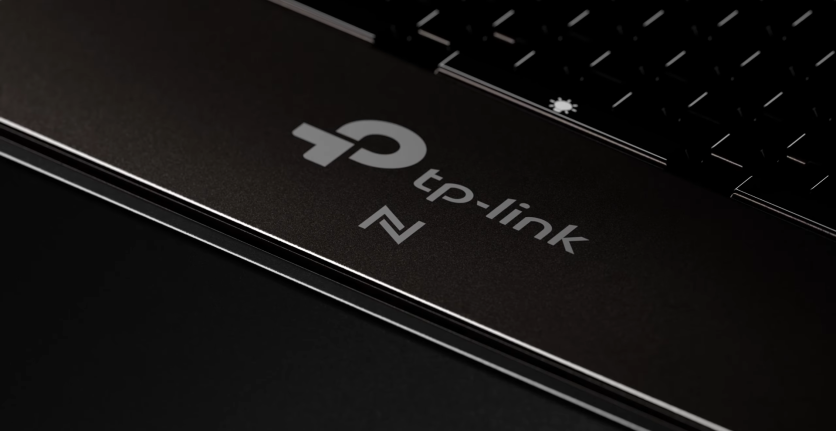
- Modern Archer 8 design: The router features a refined look with minimalist styling and subtle lighting. It is designed to feel more like a premium device than traditional networking hardware.
Read more: EV Battery Electrolyte Supply Chain: Donghwa Wins New US Customer, Tightens Tennessee Foothold
Why Wi-Fi 8 Technology Focuses More On Reliability
Wi-Fi 8 technology is being positioned differently from earlier wireless standards because the focus is shifting away from peak speed claims. Older generations often emphasized maximum bandwidth, but real-world use still struggled with unstable connections and inconsistent performance in busy environments.
The 802.11bn direction prioritizes stability, responsiveness, and better handling of network congestion. Instead of chasing headline speeds, the goal is to make everyday connections feel more reliable.
This shift is meant to address issues like weak room-to-room coverage, lag spikes during gaming, and unstable mesh roaming. TP-Link is positioning its TP-Link Wi-Fi 8 router as a response to these real-world problems rather than just another speed upgrade over Wi-Fi 7.
Another key factor is the growing number of connected devices in modern homes. Smart TVs, phones, and IoT devices now compete for bandwidth constantly, making stability more important than raw throughput. Early testing also suggests Wi-Fi 8 could improve long-range performance under heavy network load.
What Buyers Should Expect From TP-Link Router Plans
The Archer 8 is expected to become part of a broader Wi-Fi 8 technology ecosystem instead of remaining a single TP-Link router release. TP-Link plans include Deco 8 mesh systems, Roam 8 travel routers, and additional wireless accessories built around the same platform. This suggests a long-term expansion strategy for future networking products.
The Archer 8 is reportedly targeting a late 2026 launch, while more hardware may follow in 2027. Early buyers may see the TP-Link Wi-Fi 8 router as a future-proofing investment rather than an immediate necessity.
Pricing and compatibility details are still unclear as Wi-Fi 8 technology continues to develop. Even so, the Archer 8 signals a stronger industry focus on stability, lower latency, and smarter mesh networking instead of only higher speed claims.
Why TP-Link's Early Wi-Fi 8 Move Could Shape Future Networking
TP-Link's Archer 8 shows how the conversation around wireless networking is starting to change. Instead of chasing only bigger speed numbers, Wi-Fi 8 technology is being framed around stability, responsiveness, and smoother multi-device performance. That approach may ultimately matter more to everyday users than another jump in theoretical throughput.
The TP-Link Wi-Fi 8 router also highlights how companies are already preparing for a future filled with more connected devices, heavier streaming demands, and larger mesh networking setups. While Wi-Fi 8 is still years from widespread adoption, the Archer 8 offers an early preview of how future routers may prioritize dependable connections over flashy marketing specs.
Frequently Asked Questions
1. What is the TP-Link Archer 8?
The Archer 8 is TP-Link's first announced Wi-Fi 8 router. It is designed around the upcoming 802.11bn wireless standard. The router focuses heavily on connection stability and lower latency. It also supports improved mesh networking behavior and better multi-device handling.
2. Is Wi-Fi 8 faster than Wi-Fi 7?
Wi-Fi 8 may improve speeds, but the main focus appears to be reliability instead of raw throughput. The standard is designed to improve latency, roaming, and network consistency in crowded environments. This makes it more practical for modern households with many connected devices. The real-world experience may feel smoother even if speed increases are smaller.
3. When will the TP-Link Wi-Fi 8 router release?
TP-Link currently plans to release the Archer 8 around October 2026. Additional Wi-Fi 8 products are expected to arrive later in 2027. Exact regional launch timing has not been confirmed yet. Pricing information also remains unknown.
4. Should people upgrade to Wi-Fi 8 immediately?
That depends on the user's current setup and networking needs. People with stable Wi-Fi 7 systems may not need an immediate upgrade. Early adopters interested in future-proofing and mesh networking improvements may find the Archer 8 more appealing. Waiting for wider adoption and lower prices could also be a practical option.
ⓒ 2026 TECHTIMES.com All rights reserved. Do not reproduce without permission.


