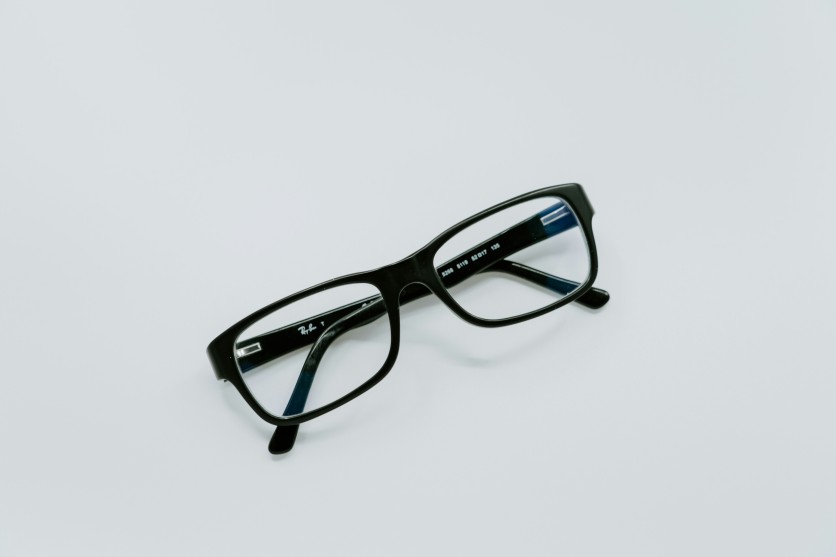
Samsung Galaxy Glasses and Meta Ray-Ban are becoming two of the biggest names in wearable tech as smart glasses move closer to mainstream everyday use.
Both devices focus heavily on AI glasses features, hands-free interaction, and lightweight design, but they approach the category from very different directions. This smart glasses comparison matters because it highlights how companies are trying to balance comfort, camera tools, voice assistants, and real-world practicality in connected eyewear.
The competition also reflects a larger shift in wearable tech. Meta Ray-Ban smart glasses already offer an established ecosystem centered around social connectivity and AI interaction, while Samsung Galaxy Glasses appear designed as a Gemini-powered companion device tied closely to smartphones.
For readers interested in smart glasses, the comparison helps explain which platform currently feels more complete and which one may offer stronger long-term potential.
Samsung Galaxy Glasses Features and AI Tools
Samsung Galaxy Glasses are expected to focus heavily on AI-driven convenience and lightweight wearable tech features. Unlike bulkier mixed-reality devices, these smart glasses appear designed for everyday comfort and quick hands-free interaction. Their rumored feature set suggests Samsung is prioritizing practical assistance, voice controls, and smartphone integration over full augmented reality functionality.
- Phone companion design: Samsung Galaxy Glasses are expected to work mainly as a companion device connected to a smartphone instead of operating independently. This approach may improve comfort and battery efficiency by reducing onboard hardware demands.
- Voice assistant and Gemini AI support: One of the biggest rumored features is Gemini-powered voice assistant functionality for navigation, reminders, and contextual help. This positions Samsung Galaxy Glasses as AI glasses focused on hands-free productivity and convenience.
- Camera features and translation support: Reports suggest the glasses could include a 12-megapixel camera for photos, scanning, and contextual awareness. Samsung is also rumored to be developing real-time translation features for easier communication and travel use.
- Lightweight design philosophy: Samsung Galaxy Glasses reportedly prioritize lightweight construction and balanced comfort for extended wear. Early information suggests the device may skip a built-in AR display to maintain a slimmer and more subtle design.
Meta Ray-Ban Smart Glasses Features and Ecosystem
Meta Ray-Ban smart glasses already have a strong presence in the wearable tech market, giving consumers a clearer idea of how AI-powered glasses fit into everyday life. Their focus on voice interaction, social connectivity, and hands-free content creation makes them one of the most recognizable smart glasses platforms currently available.
- Meta Ray-Ban smart glasses already feel established: Unlike Samsung's upcoming wearable, Meta Ray-Ban glasses are already available as a mature consumer product with a growing user base. Their existing market presence gives them an advantage in familiarity, usability, and overall consumer confidence.
- AI features are built around conversation: Meta's AI system focuses on natural voice interaction and real-time assistance during daily activities. Users can ask questions, request translations, send messages, and create reminders through hands-free voice prompts.
- Strong social and app integration: Meta Ray-Ban smart glasses connect closely with services like WhatsApp, Messenger, and Instagram for quick communication and sharing. This ecosystem integration makes the device feel more connected to modern social behavior and online interaction.
- Camera features support everyday content capture: Built-in cameras allow users to quickly take photos and videos without pulling out a smartphone. The design encourages spontaneous content creation and convenient hands-free recording throughout the day.
- Designed for convenience and daily use: The glasses prioritize lightweight wearable functionality that blends into everyday routines. This approach helps position Meta Ray-Ban glasses as both a practical tech accessory and a lifestyle device.
Design and AI Differences in Smart Glasses Comparison
Samsung Galaxy Glasses and Meta Ray-Ban smart glasses take different approaches to wearable AI despite targeting everyday users. Samsung appears focused on minimalist design, using a lightweight frame without a built-in display to create a more subtle and less distracting experience. This approach may appeal to users who want AI assistance without drawing attention in public settings.
Meta Ray-Ban smart glasses prioritize familiar fashion by using recognizable Ray-Ban-inspired styles that blend naturally with casual wear. Samsung seems centered on productivity tools powered by Gemini, including translation and navigation features, while Meta emphasizes conversational AI and social interaction. Both companies are competing through ecosystems, connectivity, and practical long-term wearable experiences instead of flashy augmented reality features.
Which Smart Glasses Fit Better Everyday Use
Samsung Galaxy Glasses and Meta Ray-Ban both aim to make AI glasses more practical for everyday use instead of treating wearable tech as a niche category.
Samsung appears focused on lightweight comfort, Gemini-powered assistance, translation features, and smartphone connectivity, while Meta Ray-Ban already offers stronger social integration, mature AI tools, and a more established ecosystem. Both devices reflect how smart glasses are evolving into subtle, always-available digital companions.
The better option depends largely on what users value most in wearable tech. Meta Ray-Ban may appeal to people who prioritize camera sharing, voice interaction, and social platform integration, while Samsung Galaxy Glasses could attract users looking for comfort and tighter AI assistant support. As the smart glasses market grows, both products are helping shape the future of everyday wearable AI.
Frequently Asked Questions
1. Are Samsung Galaxy Glasses standalone devices?
Samsung Galaxy Glasses are expected to function primarily as companion devices connected to smartphones. Reports suggest many features will rely on phone processing and connectivity. This approach may help reduce overall hardware weight and improve battery life. It also positions the glasses more as an AI wearable than a full standalone computer.
2. What makes Meta Ray-Ban smart glasses different?
Meta Ray-Ban smart glasses already have an established ecosystem with built-in AI interaction and social media integration. They support hands-free voice commands, photo capture, messaging, and translation tools.
Their close connection to Meta services like Instagram and WhatsApp is a major advantage. The glasses are also widely recognized because of their familiar Ray-Ban-inspired design.
3. Do either smart glasses include augmented reality displays?
Current reports suggest neither product focuses heavily on full augmented reality overlays. Samsung Galaxy Glasses reportedly avoid built-in displays to keep the design lightweight. Meta Ray-Ban glasses also prioritize subtle everyday use rather than immersive AR visuals. Both companies appear more focused on AI assistance and wearable convenience.
4. Which smart glasses are better for daily use?
The answer depends on what users value most in wearable tech. Meta Ray-Ban currently offers a more mature and feature-complete ecosystem with strong social integration. Samsung Galaxy Glasses may appeal more to users interested in Gemini AI assistance and lightweight comfort. Both products aim to make smart glasses feel natural enough for regular everyday wear.
ⓒ 2026 TECHTIMES.com All rights reserved. Do not reproduce without permission.


